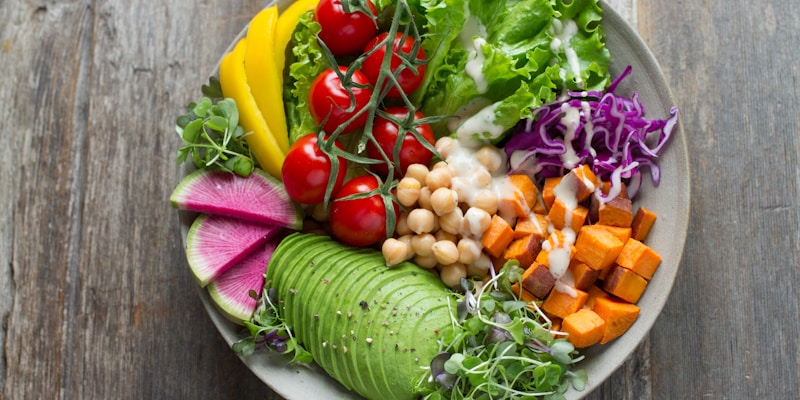
One of the most common questions I hear from members at Yoga Dining Club is whether a plant-based diet can truly support an active lifestyle. People who practice yoga daily, run marathons, cycle to work, or hit the gym several times a week often worry that giving up animal products means giving up performance. After fifteen years as a professional chef and ten years eating primarily plant-based while maintaining an active yoga practice and competitive cycling schedule, I can tell you from both research and lived experience: not only can a plant-based diet support athletic performance, it can enhance it.
This guide is designed for athletes, yogis, and anyone who maintains an active lifestyle and wants to understand how to thrive on plants. We will cover the science of plant protein, optimal meal timing around training and practice, the micronutrients you need to pay attention to, practical meal plans, smart supplementation, and the persistent myths that still circulate in fitness culture.
Understanding Plant-Based Protein
Protein is typically the first concern when someone considers a plant-based diet, and it deserves a thorough discussion. The human body needs protein to repair muscle tissue, produce enzymes and hormones, support immune function, and maintain structural integrity throughout the body. For active individuals, protein needs are higher than for sedentary people, generally ranging from 1.2 to 2.0 grams per kilogram of body weight per day, depending on the type and intensity of activity.
The good news is that the plant kingdom offers an abundance of protein-rich foods. The key is variety. While most individual plant foods do not contain all nine essential amino acids in the proportions that animal proteins do, eating a diverse range of plant proteins throughout the day easily provides a complete amino acid profile. You do not need to combine complementary proteins at every single meal, a myth that was debunked decades ago. Your body maintains an amino acid pool that it draws from as needed over the course of the day.
Top Plant-Based Protein Sources
Here are the protein powerhouses that form the foundation of a plant-based athletic diet, along with their protein content per serving:
- Tempeh (31g per cup): Fermented soybeans that are easier to digest than tofu and contain probiotics that support gut health. Excellent sliced and pan-seared or crumbled into stir-fries.
- Lentils (18g per cup, cooked): One of the most versatile and affordable protein sources available. Red lentils cook in fifteen minutes and blend seamlessly into soups, sauces, and curries.
- Chickpeas (15g per cup, cooked): A staple of Mediterranean and Middle Eastern cuisines. Roasted chickpeas make an excellent high-protein snack, and hummus is a convenient spread that pairs with almost anything.
- Black beans (15g per cup, cooked): Rich in both protein and fiber, black beans are a recovery food staple. Their anthocyanin content provides anti-inflammatory benefits that support post-exercise recovery.
- Tofu (20g per cup, firm): Made from soybeans, tofu absorbs the flavors of whatever it is cooked with. Firm and extra-firm varieties are best for grilling, stir-frying, and scrambles.
- Seitan (25g per 3.5 oz): Made from wheat gluten, seitan has a meaty texture and the highest protein density of any plant food. Not suitable for those with gluten sensitivity, but outstanding for everyone else.
- Edamame (17g per cup): Young soybeans that are delicious steamed with sea salt. A perfect pre-practice snack that provides sustained energy without heaviness.
- Hemp seeds (10g per 3 tablespoons): One of the few plant foods that contains all nine essential amino acids. Sprinkle on smoothie bowls, salads, or oatmeal for an easy protein boost.
- Quinoa (8g per cup, cooked): A complete protein and one of the most nutritionally dense grains available. Use it as a base for grain bowls or as a substitute for rice.
- Nutritional yeast (8g per 2 tablespoons): Adds a savory, slightly cheesy flavor to foods while delivering a significant protein punch plus B vitamins.
Meal Timing Around Practice and Training
When you eat can be nearly as important as what you eat, particularly for active individuals who need to fuel performance and optimize recovery. Here is a framework that works well for yogis and athletes.
Pre-Practice or Pre-Workout (60-90 Minutes Before)
Your pre-practice meal should provide easily digestible carbohydrates for energy, moderate protein, and minimal fat and fiber, which slow digestion and can cause discomfort during movement. Ideal options include a banana with a tablespoon of almond butter, overnight oats with berries, a small smoothie with banana, plant milk, and a scoop of plant protein powder, or a slice of whole grain toast with a thin layer of hummus.
If your practice is first thing in the morning and you prefer not to eat beforehand, a small handful of dates or a few sips of a smoothie can provide enough quick energy without weighing you down. Listen to your body. Some people perform better in a fasted state for gentle morning yoga, while others need fuel.
Post-Practice or Post-Workout (Within 30-60 Minutes)
The post-exercise window is when your muscles are most receptive to nutrients. Aim for a 3:1 ratio of carbohydrates to protein. Carbohydrates replenish glycogen stores that were depleted during exercise, while protein provides the amino acids needed for muscle repair and growth. Good recovery meals include a grain bowl with quinoa, roasted sweet potatoes, black beans, and avocado; a large smoothie with banana, berries, spinach, plant protein powder, and oat milk; or a tempeh stir-fry over brown rice with plenty of vegetables.
Evening Recovery
If you train or practice in the afternoon, your dinner serves as an extended recovery meal. Focus on complex carbohydrates, quality protein, and anti-inflammatory foods. Dishes like lentil soup with whole grain bread, a big salad with chickpeas, seeds, and tahini dressing, or a tofu and vegetable curry over rice are all excellent choices. Including tart cherry juice or turmeric in your evening routine can further support recovery through their anti-inflammatory properties.
Essential Micronutrients to Monitor
While a well-planned plant-based diet provides most of the nutrients your body needs, there are several micronutrients that require specific attention. This is not unique to plant-based eating; many omnivores are also deficient in these same nutrients. The difference is awareness.
Vitamin B12
This is the one nutrient that must be supplemented on a plant-based diet, no exceptions. B12 is produced by bacteria found primarily in soil and animal digestive tracts, and modern food processing eliminates most natural plant-based sources. A deficiency in B12 can lead to fatigue, nerve damage, and cognitive issues. Take a daily supplement of 250 micrograms of cyanocobalamin or 2,500 micrograms weekly. Many plant milks and nutritional yeast are also fortified with B12.
Iron
Plant-based iron, known as non-heme iron, is less readily absorbed than the heme iron found in animal products. However, you can dramatically increase absorption by consuming vitamin C alongside iron-rich foods. Squeeze lemon juice over your lentil soup, add bell peppers to your bean chili, or drink a glass of orange juice with your iron-fortified cereal. Good plant sources of iron include lentils, chickpeas, tofu, spinach, pumpkin seeds, and fortified cereals. Avoid drinking tea or coffee with iron-rich meals, as the tannins inhibit absorption.
Omega-3 Fatty Acids
The long-chain omega-3 fatty acids EPA and DHA, which are important for brain function, heart health, and inflammation management, are found primarily in fatty fish. Your body can convert the short-chain omega-3 ALA, found abundantly in flaxseeds, chia seeds, hemp seeds, and walnuts, into EPA and DHA, but the conversion rate is low, typically between five and ten percent. For this reason, I recommend an algae-based DHA and EPA supplement, which provides these essential fats from the same source that fish originally get them.
Vitamin D
Vitamin D deficiency is widespread regardless of diet, especially in regions with limited sunlight during winter months. While we are fortunate in Los Angeles to have abundant sunshine, many people still spend most of their day indoors. Aim for ten to fifteen minutes of midday sun exposure on exposed skin several times per week, and consider supplementing with 1,000 to 2,000 IU of vitamin D3 daily during months when sun exposure is limited. Look for plant-based D3 sourced from lichen.
Calcium
Dairy is not the only reliable source of calcium. Fortified plant milks, calcium-set tofu, kale, broccoli, bok choy, almonds, and figs are all good sources. Aim for 1,000 milligrams per day. If you drink fortified plant milk daily, eat a serving of leafy greens, and include some nuts or seeds, you are likely meeting your needs.
Sample One-Day Meal Plan for an Active Yogi
Here is a practical example of what a full day of plant-based eating looks like for someone who practices yoga in the morning and does moderate additional exercise. This plan provides approximately 2,200 calories, 85 grams of protein, and a balanced distribution of carbohydrates and fats.
- Breakfast (pre-practice): Overnight oats made with rolled oats, chia seeds, plant milk, a sliced banana, a tablespoon of almond butter, and a drizzle of maple syrup. Approximately 450 calories, 15g protein.
- Post-practice snack: A smoothie with frozen mango, spinach, hemp seeds, plant protein powder, and coconut water. Approximately 350 calories, 25g protein.
- Lunch: A large grain bowl with quinoa, roasted sweet potato, black beans, avocado, pickled red onion, cherry tomatoes, and a lime-tahini dressing. Approximately 600 calories, 22g protein.
- Afternoon snack: Apple slices with two tablespoons of peanut butter and a small handful of walnuts. Approximately 300 calories, 10g protein.
- Dinner: Coconut red lentil curry with spinach and tomatoes, served over brown basmati rice with a side of steamed broccoli. Approximately 500 calories, 20g protein.
Busting the Biggest Plant-Based Myths
Despite the growing body of evidence supporting plant-based diets for athletic performance, several persistent myths continue to discourage people from making the transition. Let me address the most common ones directly.
Myth: You Cannot Get Enough Protein from Plants
This is perhaps the most widespread and most thoroughly debunked myth in sports nutrition. A 2019 study published in the American Journal of Clinical Nutrition found no significant difference in muscle mass or strength gains between participants consuming plant protein and those consuming animal protein, provided total protein intake was adequate. The key word is adequate. If you eat enough calories from a varied plant-based diet that includes legumes, grains, nuts, and seeds, you will get enough protein. Period. Elite athletes like tennis champion Novak Djokovic, ultramarathon runner Scott Jurek, and Olympic weightlifter Kendrick Farris have competed at the highest levels on plant-based diets.
Myth: Plant Protein Is Inferior to Animal Protein
This myth stems from the concept of protein quality, which measures how closely a protein's amino acid profile matches human needs. While it is true that most individual plant proteins have lower scores than animal proteins on measures like the PDCAAS (Protein Digestibility Corrected Amino Acid Score), this only matters if you are eating a single food in isolation. When you combine multiple plant protein sources throughout the day, which anyone eating a normal varied diet does naturally, the amino acid profiles complement each other perfectly. Eating rice and beans does not need to happen at the same meal. Your body is far more sophisticated than that.
Myth: Plant-Based Diets Lead to Low Energy
The opposite is often true. Many athletes who switch to plant-based diets report higher energy levels, faster recovery times, and reduced inflammation. Plant foods are rich in complex carbohydrates, the body's preferred energy source, and the high antioxidant content of fruits and vegetables helps combat exercise-induced oxidative stress. A 2020 study in the journal Nutrients found that plant-based athletes had better arterial function and lower levels of systemic inflammation compared to omnivorous athletes at similar fitness levels.
Myth: You Need Supplements to Survive on a Plant-Based Diet
While B12 supplementation is genuinely necessary and an algae-based omega-3 is recommended, the idea that plant-based eaters need a cabinet full of supplements is inaccurate. Most nutrients are available in abundance from whole plant foods. It is also worth noting that many omnivores are deficient in vitamin D, magnesium, potassium, and fiber, nutrients that are plentiful in a varied plant-based diet. The supplement question is not plant-based versus omnivore. It is about whether any individual is eating a varied, nutrient-dense diet.
"The best athletic fuel comes from the earth. Plants offer everything your body needs to perform, recover, and thrive. The science is clear, and so is my experience in the kitchen and on the bike." - Daniel Ortiz
Real Food Recommendations for Daily Practice
Rather than getting caught up in macronutrient calculations and supplement lists, I encourage our members to focus on real, whole foods as the foundation of their diet. Here are the foods I keep stocked in my own kitchen and use daily in our Yoga Dining Club meals:
- Legumes: Lentils (red, green, and black), chickpeas, black beans, kidney beans, and edamame. These are your protein and fiber anchors.
- Whole grains: Brown rice, quinoa, oats, farro, buckwheat, and whole grain bread. These provide sustained energy and essential B vitamins.
- Nuts and seeds: Almonds, walnuts, cashews, pumpkin seeds, sunflower seeds, chia seeds, flaxseeds, and hemp hearts. Dense in calories, protein, and healthy fats.
- Leafy greens: Kale, spinach, Swiss chard, arugula, and collard greens. Rich in iron, calcium, folate, and antioxidants.
- Colorful vegetables: Sweet potatoes, beets, bell peppers, broccoli, cauliflower, carrots, and tomatoes. The more color on your plate, the broader your nutrient intake.
- Fruits: Bananas, berries, oranges, apples, dates, and mangoes. Excellent pre-workout fuel and natural sources of vitamins and antioxidants.
- Healthy fats: Avocados, extra-virgin olive oil, coconut oil, tahini, and nut butters. Essential for hormone production and joint health.
- Fermented foods: Tempeh, miso, sauerkraut, kimchi, and kombucha. These support gut health and improve nutrient absorption.
Getting Started: Practical Advice
Transitioning to a plant-based diet does not have to happen overnight. In fact, a gradual approach tends to be more sustainable and enjoyable. Start by making one meal per day fully plant-based. Once that feels natural, expand to two meals. Experiment with new recipes and ingredients. Visit a farmers market and let the seasonal produce inspire you. And most importantly, do not aim for perfection. A diet that is eighty or ninety percent plant-based delivers most of the health and performance benefits without the stress of rigid rules.
At Yoga Dining Club, every meal we prepare is designed to demonstrate that plant-based food can be deeply satisfying, incredibly flavorful, and fully capable of supporting an active lifestyle. If you are curious about making the shift, join us for one of our dining events and let the food speak for itself. You might be surprised by how delicious nourishment can be.
